
Crete is one of the most visited islands in the Mediterranean — but most visitors see only a fraction of what it has to offer. Beyond the beaches and archaeological sites, there is another Crete: slower, quieter, and far more personal. Agrotourism in Crete opens the door to this version of the island, and once you experience it, everything else feels a little less real.
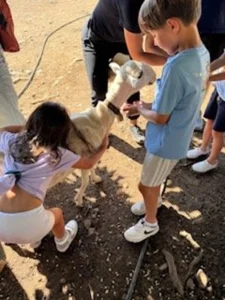
Agrotourism — sometimes called agritourism — is a form of tourism centered around agricultural settings. Instead of staying in a hotel and visiting attractions, you engage directly with farm life: feeding animals, harvesting vegetables, learning traditional food preparation, and spending time in the kind of landscape that shaped the culture you came to experience.
In Crete, agrotourism has deep roots. The island's identity has always been tied to the land — to olive groves, vineyards, livestock, and seasonal harvests. If you're curious about the broader context of slow living and agritourism in the region, you can read more about it on our blog.
Several factors make Crete particularly well-suited for agrotourism. The landscape is varied and accessible — from the White Mountains to the coastal plains. The culinary tradition is extraordinary, rooted in what the land produces: goat milk, fresh vegetables, olive oil, wild herbs. And the people themselves are the experience. Cretan hospitality is not a tourism product — it is a cultural trait.
The village of Vafes in Apokoronas — where Arevitis Farm is located — is itself a destination worth exploring, with a character and history that most visitors to Crete never discover.
At Arevitis Farm, a typical visit might include meeting and feeding the animals, working in the vegetable garden, milking the goats, and cooking and eating together. For a full picture of what a day looks like, read our post on experiencing authentic farm life at Arevitis.
The cooking element deserves particular mention. Cretan cuisine has a depth that is difficult to appreciate without understanding where the ingredients come from. Our post on the art of Cretan cuisine and hands-on cooking goes into more detail about what this experience involves.
Agrotourism in Crete is not for everyone — and that is part of what makes it special. It suits travellers who are curious rather than passive, who want to leave with something more than photographs. It is ideal for families looking for meaningful experiences with children, for couples wanting to slow down, and for anyone who has grown tired of itineraries that feel interchangeable.
If you are visiting Chania and want to experience something that will stay with you long after the tan fades, agrotourism at Arevitis Farm is worth planning your trip around.
Each season at the farm offers something different. If you are planning a visit in the cooler months, our post on why November is a great time to visit Arevitis Farm makes a compelling case for travelling outside peak season.
Ready to plan your visit? Contact us or return to the homepage to learn more about what Arevitis Farm has to offer.