
At Arevitis Farm, harvest is not just the final stage of cultivation. It’s the moment when nature, care, and passion meet — to offer you fresh, delicious, and 100% organic products.
On our farm, every plant grows with absolute respect for the environment, without the use of chemical fertilizers or pesticides. The land is cultivated with natural methods and, in return, it offers us fruits and vegetables full of flavor and nutritional value.
Harvesting is done by hand, so that every fruit is picked at the exact moment it’s truly ripe. The aroma of the tomato, the freshness of the cucumber, the vibrant color of the pepper — all are part of an experience that remains unforgettable.
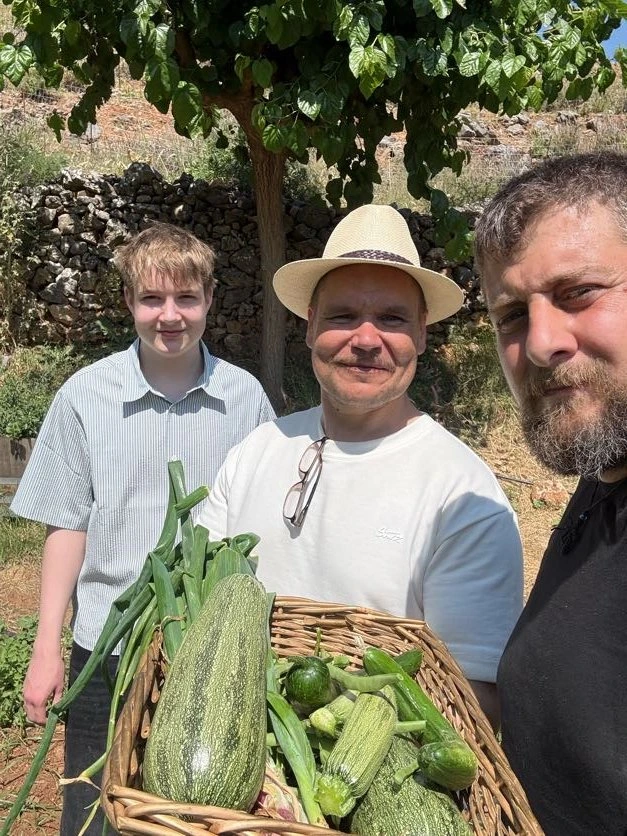
At our farm, you’re not just an observer. You have the chance to live the authentic Cretan experience, which includes:
Depending on the season, you can pick and enjoy:
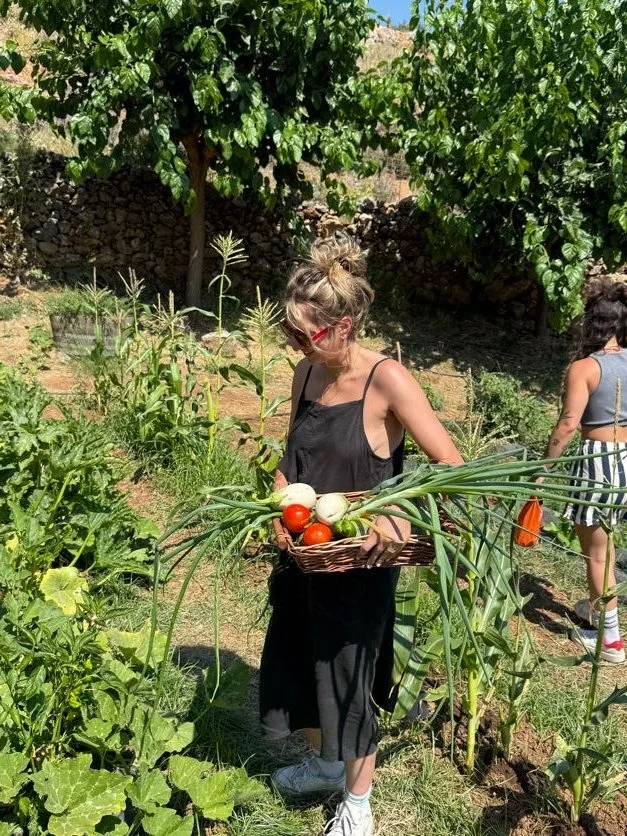
Whether you come to learn, to relax, or to fill your basket with fresh goodies, one thing is certain: you always leave with a full heart. Read more about the harvest and other activities at our farm.
📩 Contact us today to plan your visit!
Life on Arevitis Farm offers a picturesque example of the harmonious relationship between humans and animals. Each animal on the farm has its own distinctive personality and role, playing a crucial part in the creation of a vibrant and thriving ecosystem. In this article, we’ll delve into the unique traits and significance of six key farm animals at Arevitis Farm: chickens, rabbits, turkeys, sheep, goats, and peafowl.
Farm animals play a crucial role in maintaining a balanced ecosystem. From chickens and rabbits to sheep, goats, and peafowls, each animal brings unique benefits, contributing to the sustainability of the farm. Their presence fosters a harmonious coexistence between humans and nature.
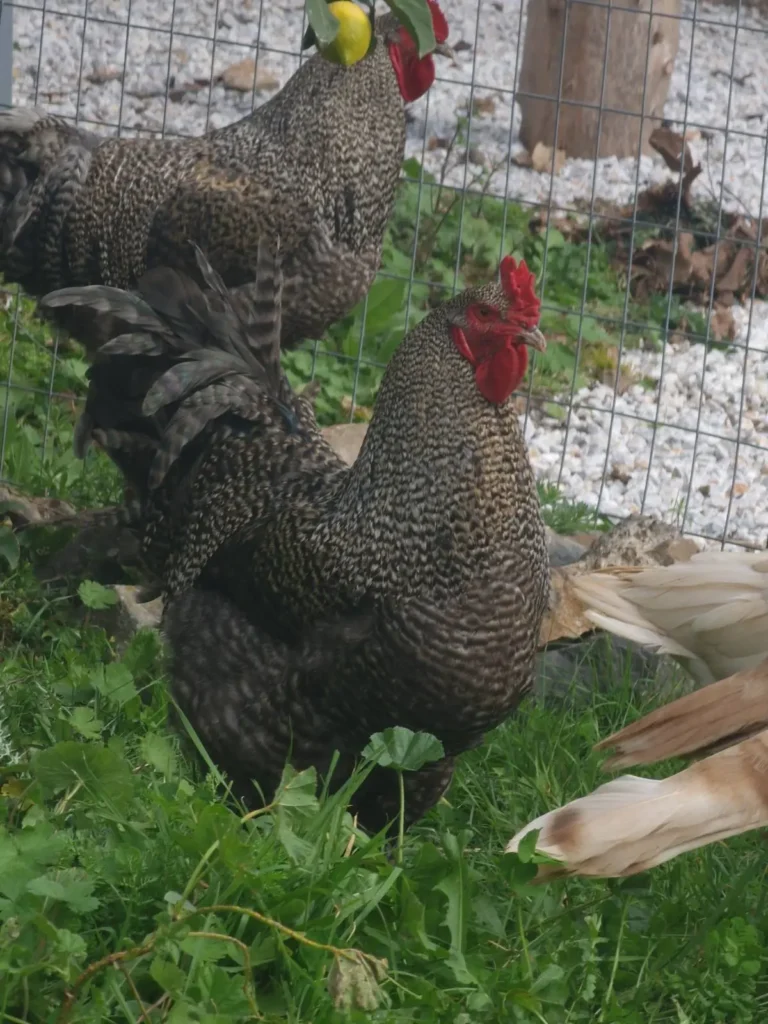
Chickens are among the most beloved animals on the farm, known for their daily contribution of fresh eggs. Eggs, rich in nutrients, are an essential part of a balanced diet. Additionally, chickens play a natural role in farm management as they feed on insects and food scraps, helping to reduce pests and improve soil quality.
Chickens are social animals that enjoy each other’s company and can develop bonds with the people who care for them. Their care is simple yet invaluable, and their presence brings life and movement to the farm.
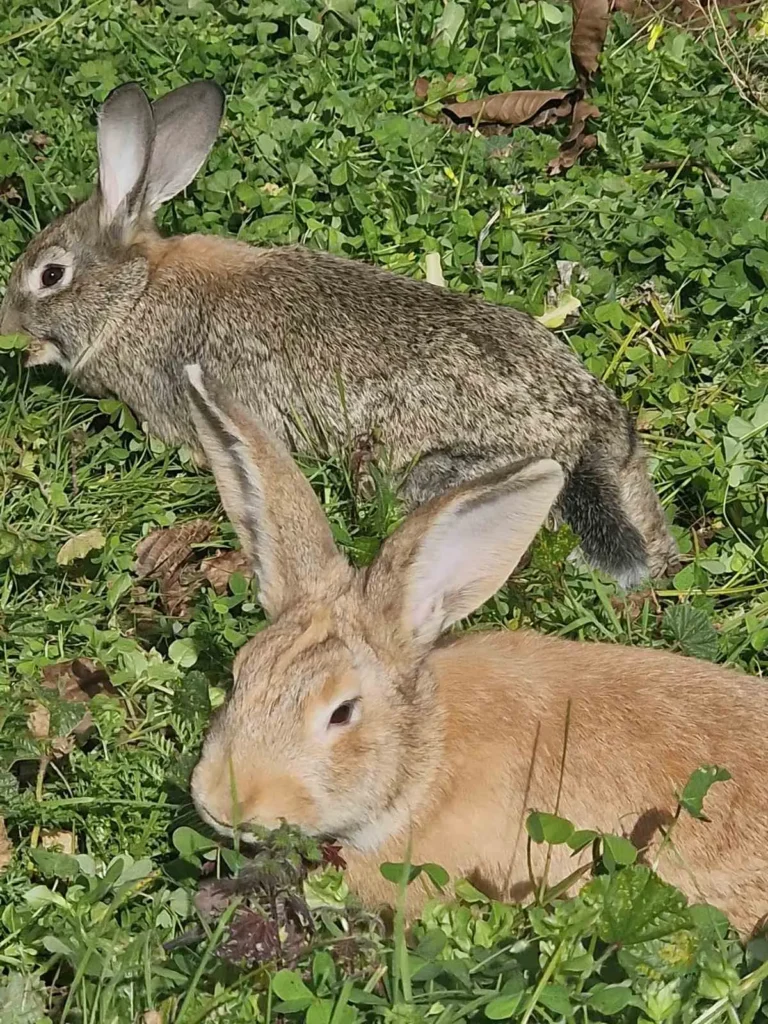
Rabbits are highly cherished for their gentle and playful nature. They are quiet animals that require little care but give back with their companionship and energy. Rabbits are known for their ability to grow quickly and adapt easily to the farm environment.
Having rabbits on the farm is an experience that brings joy and tranquility. Watching their playful activities is a source of delight for visitors of all ages, especially children.
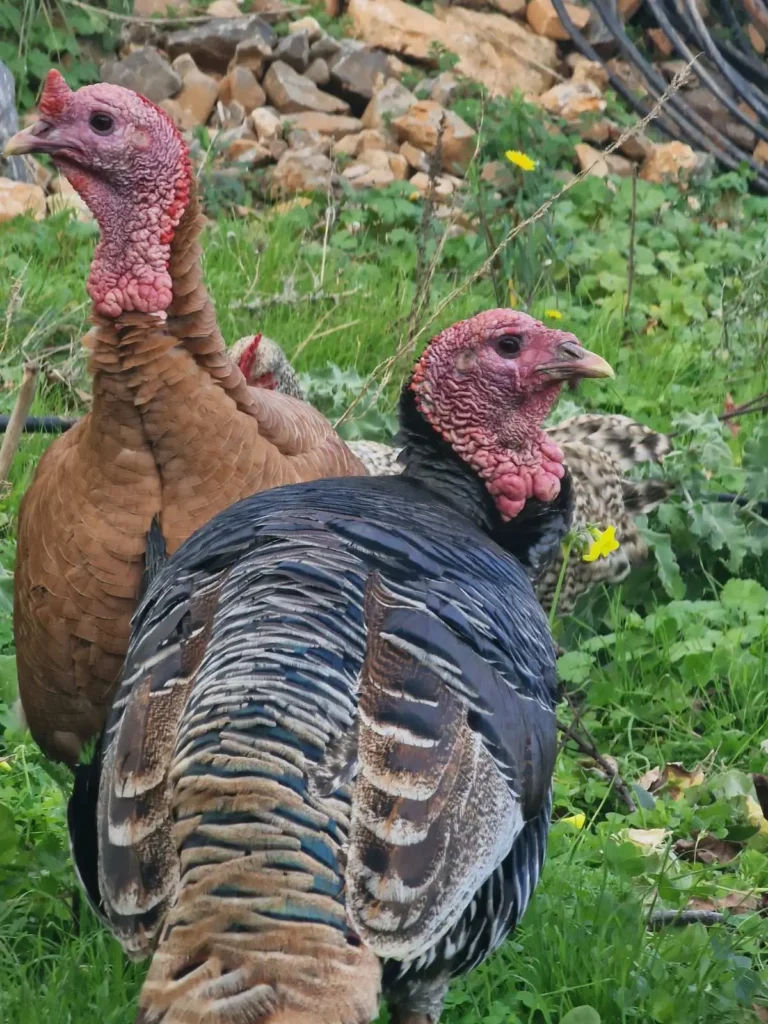
Turkeys, with their imposing presence, are among the most impressive poultry on the farm. They are known for their nurturing nature and their tendency to protect their environment. Turkeys can act as guardians, with their loud calls alerting the farmer to potential dangers or visitors.
Turkeys are also highly social and can coexist harmoniously with other farm animals. They love to roam freely and explore their surroundings, offering a pleasant sight and vitality to the space.
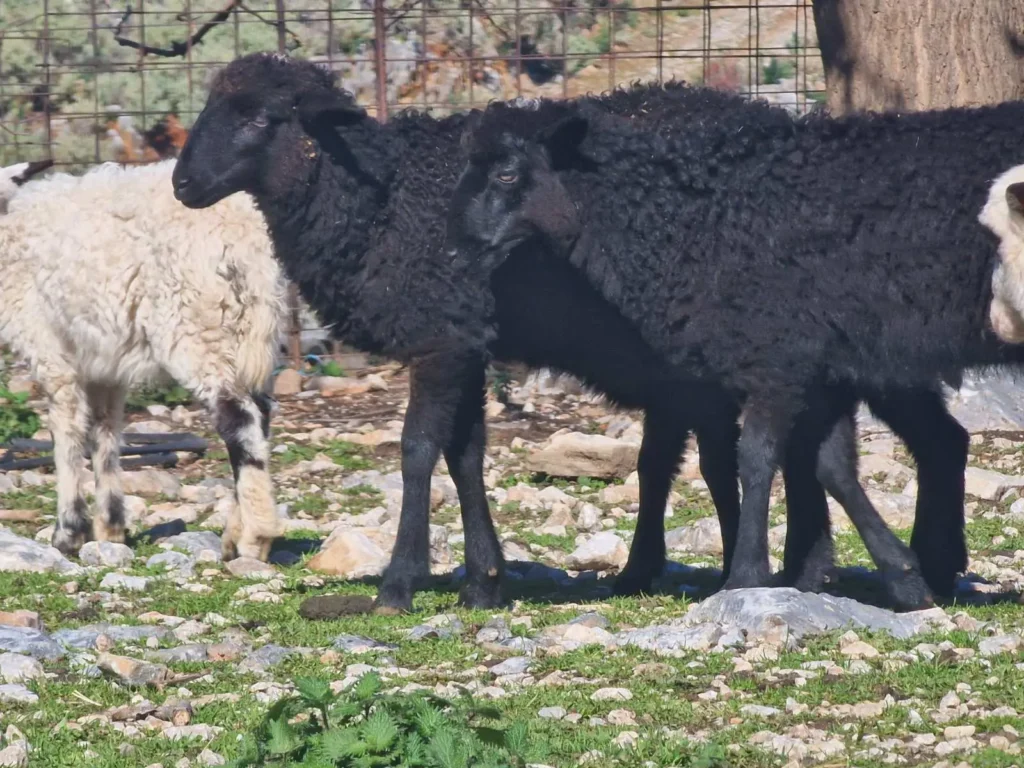
Sheep are excellent for maintaining the landscape of the farm. They are known for their ability to graze and keep vegetation under control, which helps maintain soil health. Sheep’s wool has been traditionally used for making clothing, with eco-friendly methods that respect the environment and animals.
Sheep are calm and social animals that love companionship, both among themselves and with humans. Their presence brings peace and serenity to the farm, and caring for them is a process that strengthens the bond between humans and nature.
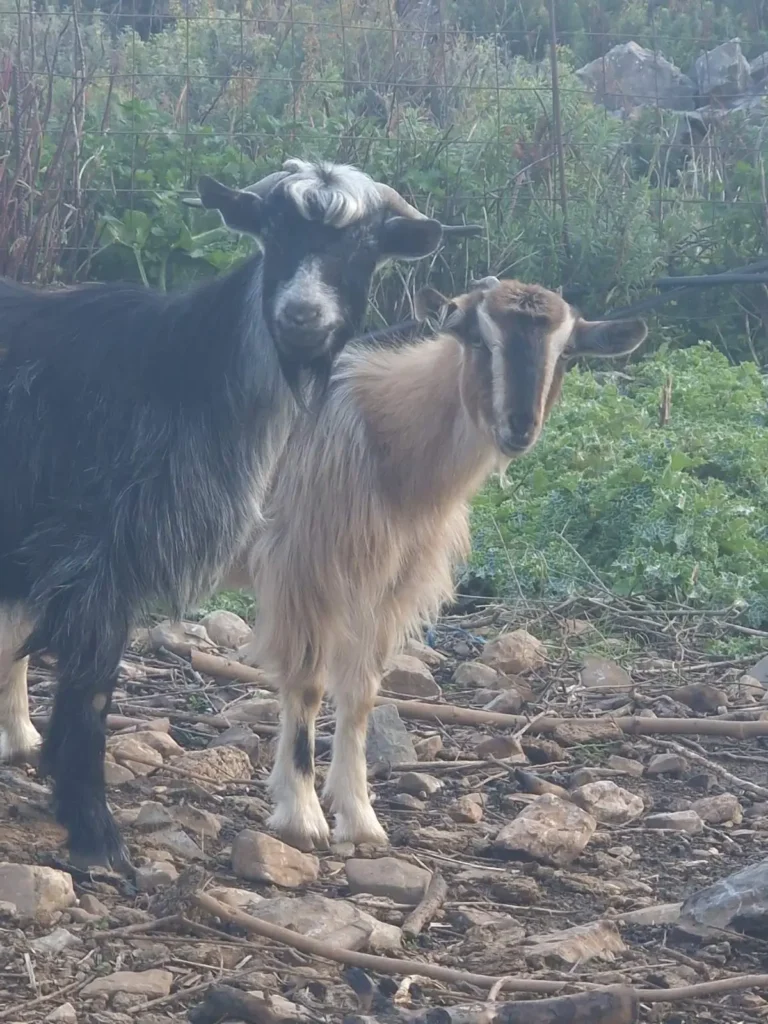
Goats are known for their agility and energy. They are animals that love to explore and climb, bringing fun and liveliness to the farm. Goat milk is highly nutritious and is used for making cheese and other dairy products.
Goats are incredibly resilient and can thrive in various conditions, making them ideal for farms in challenging terrains. Additionally, their companionship is equally valuable, as they can develop strong bonds both with each other and with humans.
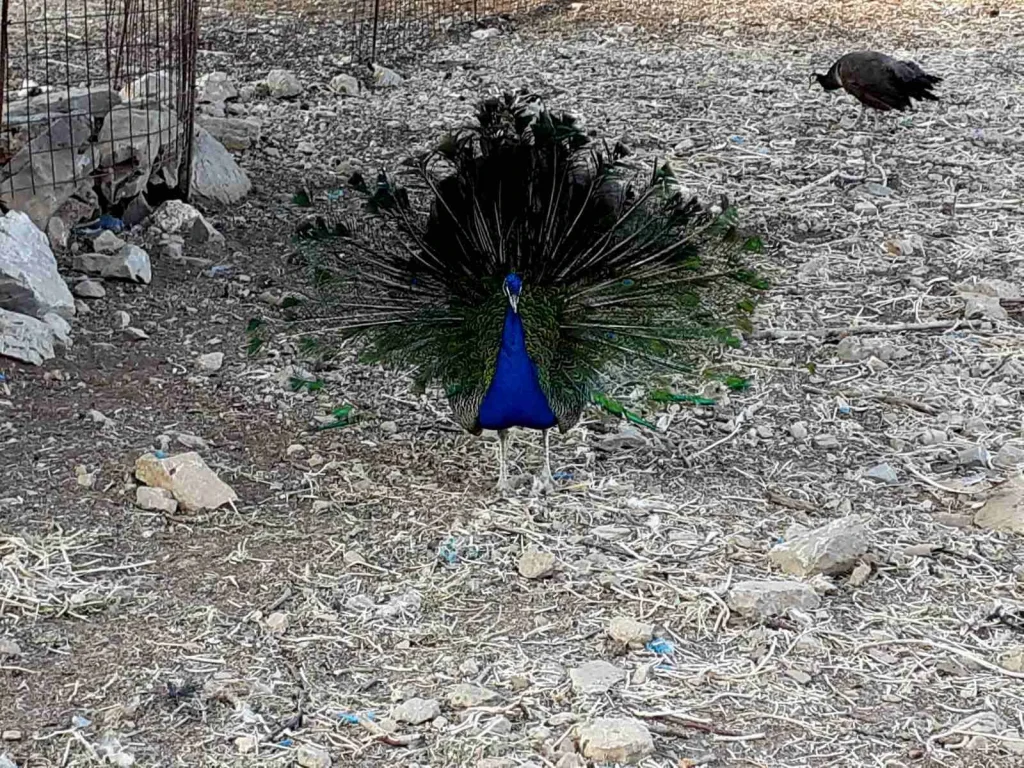
Peafowl are the most aristocratic of the farm animals, bringing beauty and grace with their impressive feathers. Beyond their stunning appearance, peafowl serve as natural alarms, with their loud calls alerting to the presence of strangers or threats.
The presence of peafowl adds an air of grandeur to the farm, making it a focal point for visitors. They are animals that appreciate their freedom, while also enhancing the farm’s image as a place where nature and art coexist harmoniously.
Caring for and working with the farm animals creates a sense of harmony and balance that is reflected in every aspect of farm life. Each animal has its own role and contributes to the creation of a sustainable and dynamic ecosystem.
The farm is not just a place of production but a living environment where the relationship between humans and animals continuously evolves. This balanced coexistence promotes the well-being of all participants, both humans and animals, creating a community where nature and care are at the forefront.
Visit Arevitis Farm
To experience the beauty of Arevitis Farm and see our animals up close, we invite you to visit us. Whether you're interested in learning more about sustainable farming or simply enjoying a peaceful day surrounded by nature, our doors are always open. For more information or to plan your visit, feel free to reach out through our Contact Us page. We look forward to welcoming you!
In the traditional area of the village of Vafes in Apokoronas, Arevitis Farm in Chania is a model of sustainable agriculture and Cretan hospitality. This picturesque farm not only produces organic products such as vegetables, fruits, and traditional handmade cheese from the farm's goat milk but also promotes environmental management and the preservation of Crete's cultural heritage. At Arevitis Farm, we are committed to sustainable development practices that ensure the well-being of our environment and community. Our farm operates on principles of ecological balance, conservation of resources, and support for local biodiversity. Here are some key aspects of our approach to sustainable development:
Our farm is dedicated to organic farming practices, avoiding synthetic pesticides and fertilizers and using natural methods to maintain soil fertility and control pests. We use manure as a natural fertilizer for trees and plants, enhancing the nutrition and productivity of crops. We also employ crop rotation and companion planting to maintain soil health and reduce pest outbreaks.
One of the key practices at Arevitis Farm is the implementation of a circular economy. Vegetables from the garden and fruits from the farm, after cooking, are not wasted. Leftovers and scraps become feed for the chickens, goats, and other animals on the farm. This not only reduces waste but also enhances the farm's sustainability, creating a comprehensive cycle of food and waste management.
We maintain various habitats for local wildlife, such as bees, birds, and beneficial insects, which play a crucial role in pollination and pest control. We cultivate native plants and trees to support the local ecosystem.
Composting organic waste helps us create nutrient-rich soil amendments, reducing the need for chemical fertilizers. We actively reduce, reuse, and recycle materials to minimize waste production and environmental impact.
By integrating these sustainable practices, Arevitis Farm not only produces high-quality, organic products but also contributes to the preservation of our natural resources and the promotion of a healthy, sustainable future for generations to come. Visit us with your children to learn more and experience our commitment to sustainability firsthand.
At Arevitis Farm, we strive to pass on the Cretan way of life to both local and international visitors. Guests can get to know our animals, vegetables, and trees, such as olive trees, fig trees, and lemon trees. We aim to show them what it's like to be a farmer in Crete in 2024, living in remote villages far from the picturesque city of Chania. Through farm activities, visitors become farmers for a day. Our goal is to promote the authentic Cretan experience and strengthen the connection with nature and tradition.
Contact us to make a reservation or to send us an inquiry.
In Crete, sheep shearing occurs twice a year, particularly among Cretan farmers who own sheep. This practice is necessary due to the high temperatures on the island, which can be unbearable for the animals. Therefore, the sheep are sheared once in April and June.Today, sheep shearing is done in the same way as in the past, with the only difference being that the wool doesn't fetch anything in the market, and farmers dispose of it.
Why The process of 'shearing' is necessary?
Shearing, or the process of cutting the wool off sheep, is essential for the health and well-being of the sheep. First, it removes the dense, winter wool before spring and summer, helping the animals better manage their body temperature and avoid overheating. This is particularly crucial during warmer months, as thick wool can cause heat stress in sheep. Second, shearing helps prevent irritation and problems caused by parasites and other skin issues, as thick wool can retain moisture and host insect infestations. Lastly, shearing improves the overall cleanliness of the animals, preventing the accumulation of dirt and other residues in the wool, keeping the sheep healthier and more comfortable.
Shearing Process
Preparation: Before shearing, the sheep need to be clean and dry. Often, the sheep are gathered in an enclosed space and their access to food is restricted for a few hours before the shearing to ensure they are calm and easier to handle.
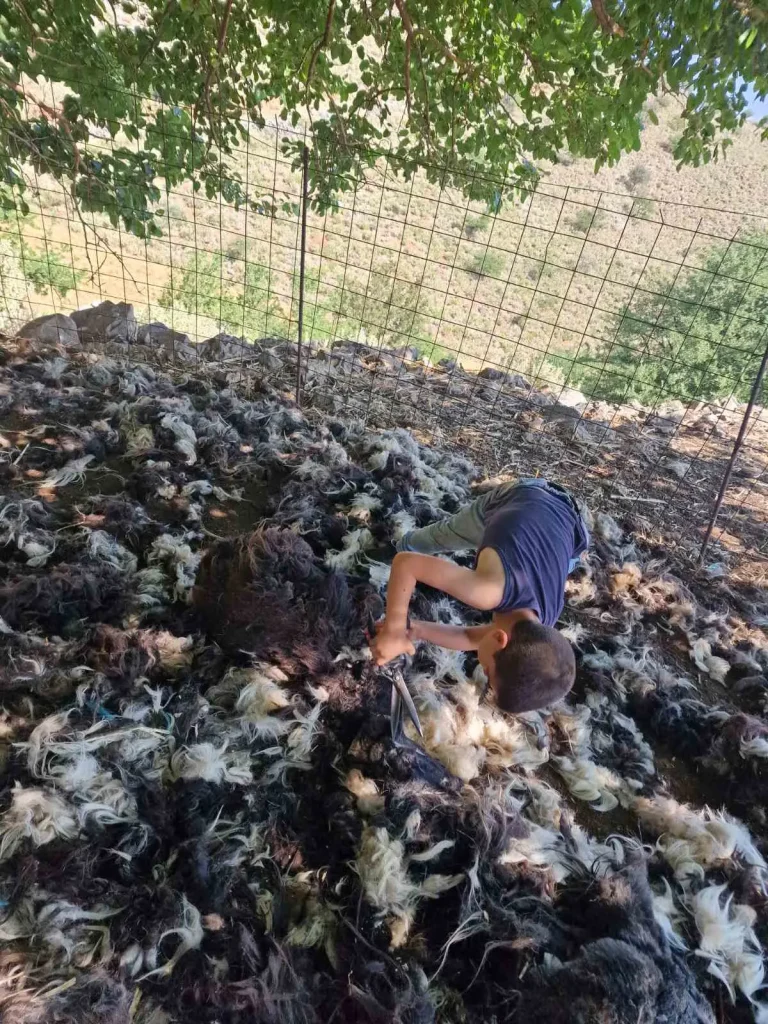
Shearing: The farmer or a professional shearer uses special shearing clippers to remove the wool. This process must be performed carefully to avoid injuring the sheep's skin.
Wool Processing: At many farms, after shearing, the wool is cleaned and sorted based on quality. This step is crucial for wool production, as higher quality wool is used in the manufacture of woolen textiles.
Environmental Management: Since the sheep are less protected after shearing, it is important to ensure that their environment is safe and clean. This helps prevent diseases and injuries that could be caused by the environment.
Shearing is a critical process that ensures not only the comfort and health of the sheep but also the quality and sustainability of wool production.
During the shearing process, the care and welfare of the sheep are of primary importance. The farmer or specialized shearer undertaking this task are familiar and trained to perform the shearing in a way that does not harm the animals.
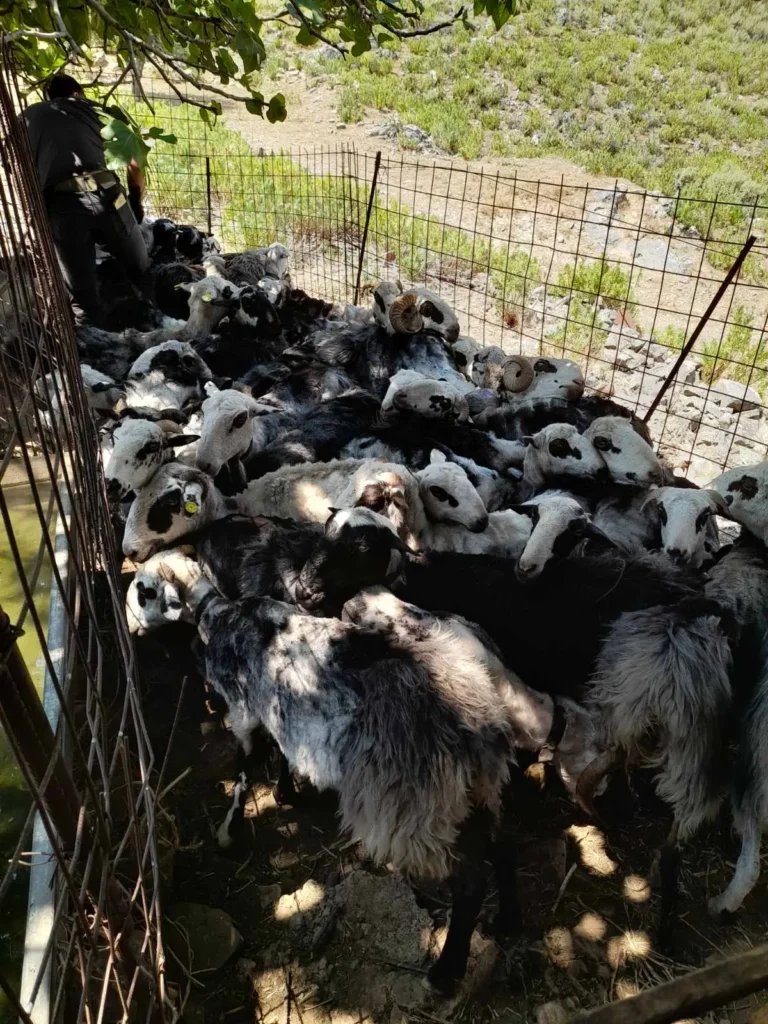
This biannual event presents a valuable opportunity for Cretan farmers to come together and assist each other, especially since many of them own a large number of sheep on their farms. After the shearing, participants gather to enjoy local traditional food and drink, such as homemade wine or Tsikoudia (Raki), the traditional drink of Crete. Sometimes, they also invite musicians to play traditional Cretan music using instruments like the violin or the Cretan Lyre, further enriching the communal experience.The shearing of sheep may not offer commercial profit to farmers today, but it significantly contributes to camaraderie and friendship among villagers. The culmination of camaraderie is the feast at the end of the exhausting process, which has remained unchanged for centuries. All males in Crete shear sheep, even elementary school boys.
Sheep Shearing in Crete: Nurturing Tradition and Community Bonds
These relationships, which do not revolve around the expectation of economic exchanges, are common in Crete and bind people together.
Sheep “Koura” also in Arevitis Farm.
At Arevitis Farm, we also follow this long standing tradition of sheep shearing, a practice deeply ingrained in Cretan agriculture. Much like our fellow farmers across Crete, we recognize the necessity of shearing sheep twice a year due to the island's high temperatures, which can prove really challenging for the animals. Therefore, we ensure that our sheep are sheared in our farm once in April and again in June.Is one of the most traditional action from our activities in Arevitis Farm.
Visit Arevitis Farm today and embrace the experience of Cretan nature.
Welcome to Arevitis Farm, the destination where Cretan tradition and natural beauty meet everyday life. Located in the picturesque village of Vafe, at the heart of Apokoronas in Chania, we are ready to offer you a truly unique experience.
Every visitor to the Farm engages in experiential contact with a reality where direct interaction with nature and animals awakens deep sensations and provides unique experiences. The simplicity and authenticity of rural life can rejuvenate the spirit and reduce stress, offering a break from the fast pace of urban life. Moreover, a visit to a farm strengthens understanding and appreciation for the food production process, from field to table, enhancing the connection with the natural environment and our roots in the land.
Our Philosophy: At Arevitis Farm, we believe in the value of rural life and family hospitality. Our ambition is to create a sustainable family farm that lives and expresses traditions. Our Farm is a destination for those who wish to return to their roots, discover the true essence of Cretan hospitality, and experience the rich culture of the island. Our goal is for every visitor to experience the traditional Cretan way of life through authentic activities such as sheep milking, harvesting vegetables from our garden, and preparing and enjoying traditional meals.
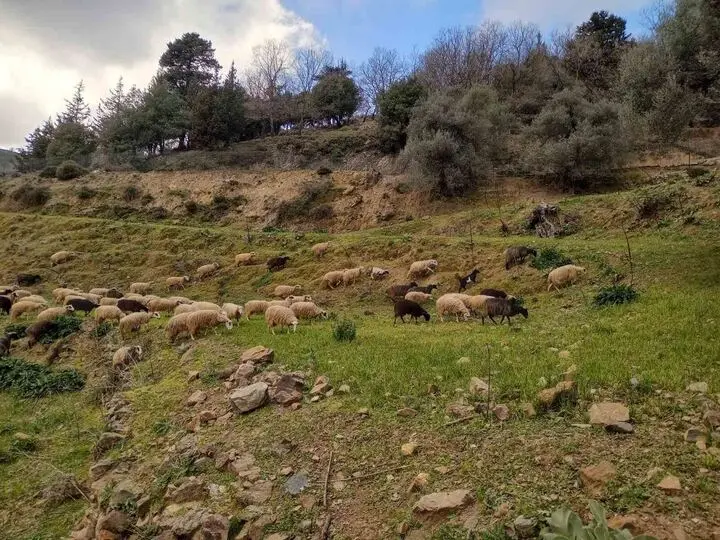
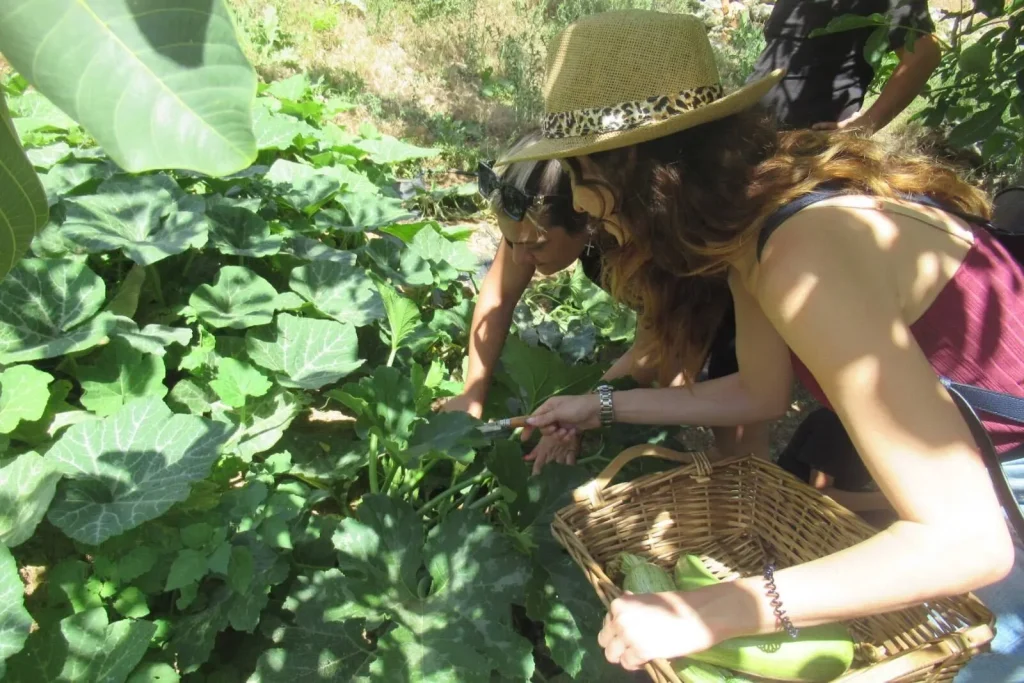
Farm Activities: At our farm, we offer organized activities related to the daily life of rural Crete. The daily care of the farm animals includes feeding, collecting eggs, milking sheep, and goats. After animal care, our Farm activities continue in the vegetable garden. Together with our visitors, we plant seasonal vegetables such as tomatoes, peppers, zucchinis, and harvest ripe vegetables.
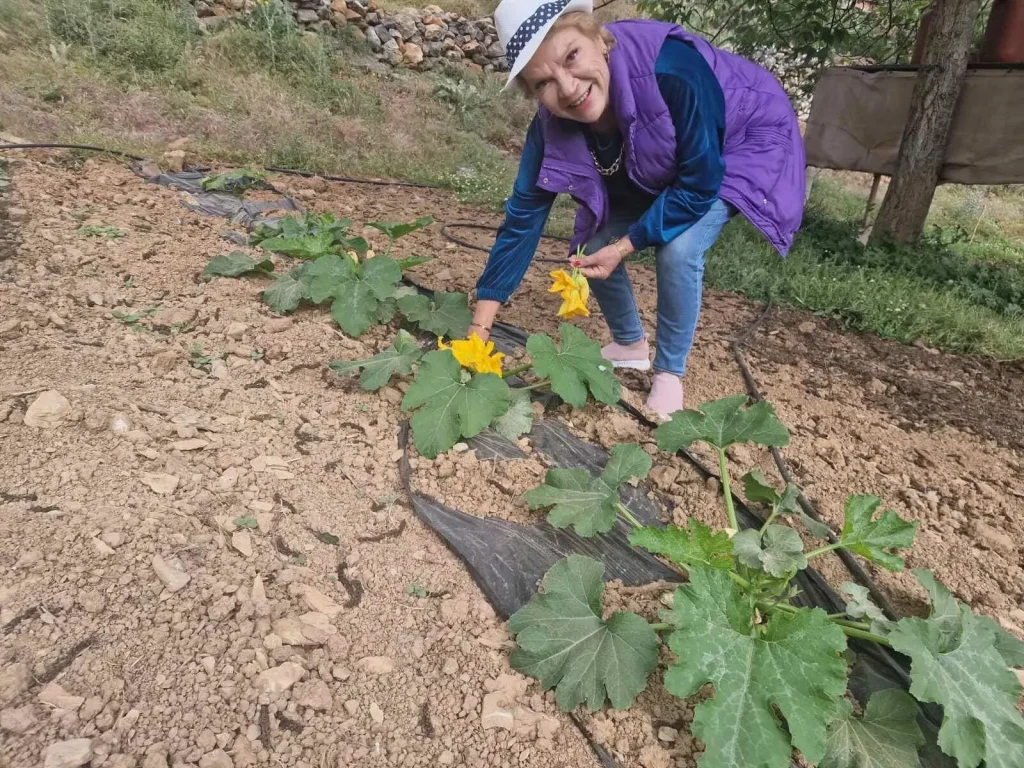
Additionally, we organize activities based on Cretan tradition, such as the "sheep milking." All our activities provide opportunities for learning, experiential contact with nature and animal care, entertainment, and acquaintance with Cretan heritage.
Cooking Lessons: Our farm not only offers knowledge and experiences of rural life but also a journey of flavors through traditional Cretan dishes that we prepare. From garden to plate, every meal is an opportunity to taste fresh, organic vegetables and traditional recipes passed down through generations. Together with our visitors, we open phyllo and make pies, cook traditional hortopita with the milk we milked, and of course, prepare and enjoy the local Cretan salad from the vegetables we cut from our garden. Lastly, every time we harvest zucchinis or eggplants from our garden, we fry these vegetables in virgin olive oil from our olive trees.
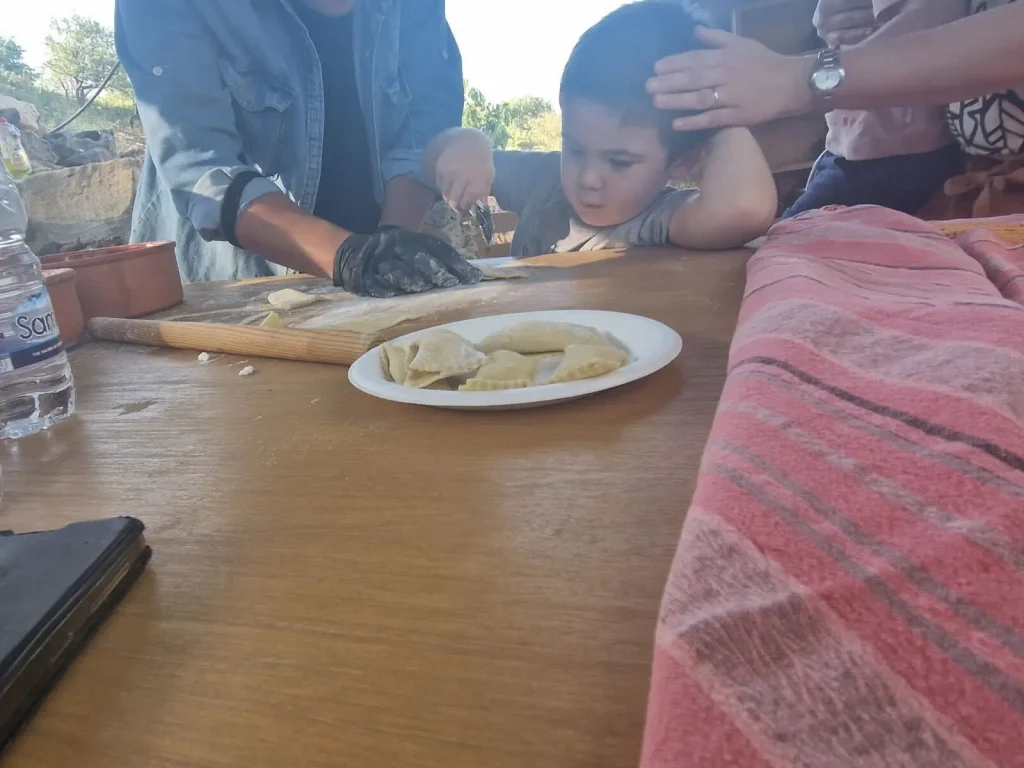
Around the Cretan Table: The experience at our Farm culminates at the Cretan traditional table. Our guests sit at our table and enjoy the meal we prepared together. They also taste the pure honey we offer them and of course, the wine from our vineyard. The tradition of Cretan hospitality dictates that guests sit around the set table, and at our farm, we proudly follow this tradition.
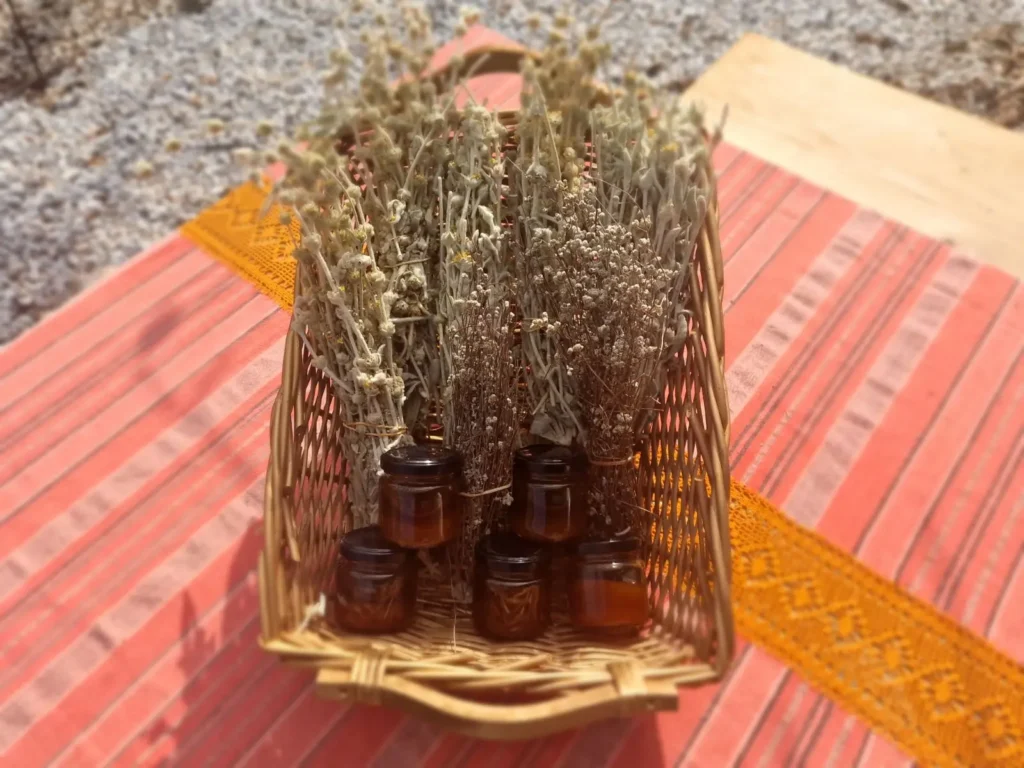
AREVITIS Farm is more than just a tourist destination; it is a living space that offers a deep experience of Cretan traditions and authentic life. It is a Journey into Tradition that offers an enriching experience for children, immersing them in the heart of Cretan culture. At AREVITIS Farm, kids can engage with friendly farm animals, learning about their care and importance in traditional farming. They participate in hands-on agricultural activities, such as planting seeds and harvesting crops, fostering a deep connection to nature and the food they eat. Additionally, children join in traditional recipe lessons, discovering the secrets of Cretan cuisine by preparing simple, authentic dishes using fresh, farm-grown ingredients. This immersive experience not only entertains but also educates, providing children with lasting memories and a profound appreciation for Cretan heritage. That's why we encourage visitors not to be mere observers but to become active participants in the various activities. We invite you to become part of this community.